
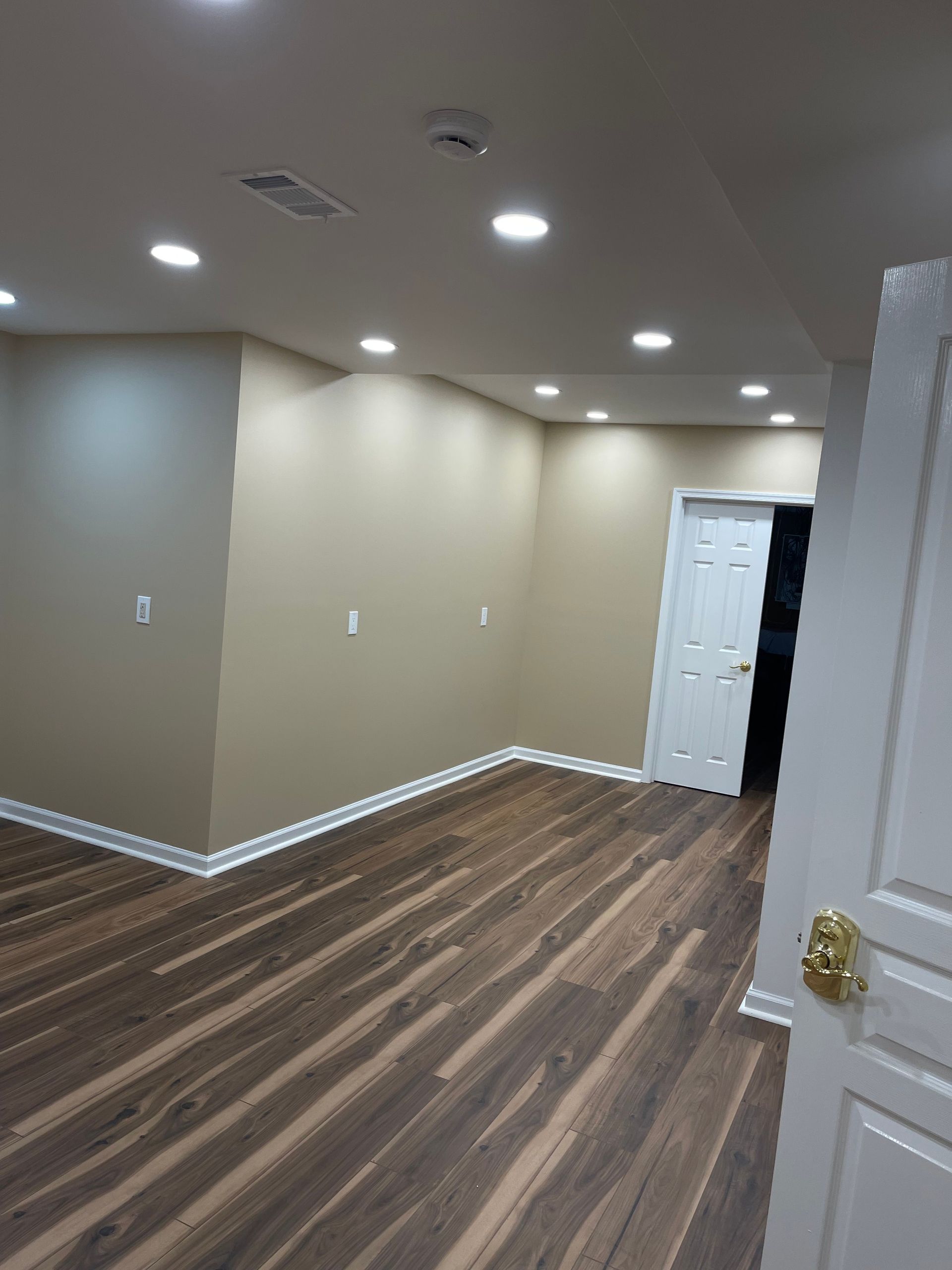
Surfaces That Reflect Updated Standards
Painting in East Windsor for properties requiring fresh finishes that extend surface protection
Peeling exterior paint exposes wood siding to moisture damage, and interior walls marked by years of scuffs diminish how spaces present to clients or buyers. JJB Handyman Service handles interior and exterior painting across East Windsor residential and commercial properties where appearance directly affects property value or business impressions. Preparation determines whether your new paint adheres properly or fails within two years—surfaces get cleaned, damaged areas receive repair, and primers go down when you're covering stains or switching between paint types.
The service addresses properties where outdated colors no longer match current use, where wear patterns have created uneven sheen, or where previous coatings are failing. You receive guidance on paint finishes based on whether walls need frequent cleaning, whether ceilings should minimize light reflection, or whether trim requires durability against contact. Clean lines at edges and smooth finishes across large surfaces separate professional results from rushed work.
Arrange an estimate to review your painting project and discuss preparation requirements for lasting results.
How Preparation Affects Long-Term Results
Paint adheres to the surface condition underneath it, which means any flaking, dirt buildup, or glossy existing finish will prevent the new coating from bonding correctly. Exterior surfaces get pressure washed to remove mildew and chalking, while interior walls receive patching for holes and cracks before sanding creates uniform texture. Trim gets sanded when previous layers have built up thickness that obscures detail or creates uneven edges.
Once the project finishes, you see walls with consistent color and sheen from corner to corner, without roller marks, brush strokes, or thin spots where the old color shows through. Edges where walls meet ceilings and trim run straight without paint bleed that creates ragged lines. The difference becomes obvious in how light reflects evenly across surfaces and how the space presents as cohesive rather than patched together.
Surrounding surfaces stay protected throughout the work—floors receive covering, furniture gets moved or shielded, and hardware is removed rather than painted around. Color selection affects more than appearance; it influences how dirt shows on walls, how much light a room reflects, and whether touch-ups blend invisibly or stand out as obvious patches years later when maintenance becomes necessary.
Common Questions About Painting Projects
Property owners in East Windsor ask about timelines, preparation steps, and how different finishes perform in specific environments before committing to painting work.
What preparation steps happen before paint goes on walls or siding?
Surfaces get cleaned to remove grease and dirt, damaged areas receive patching compound or wood filler, and everything gets sanded smooth so the new paint bonds properly and dries to an even finish without bumps or rough texture.
How do you prevent paint from bleeding under tape at edges and trim?
Tape gets pressed firmly along its entire length to seal the edge, and experienced painters often run a thin bead of the base color along the tape line first to seal any gaps before applying the new color that creates the contrast.
Why does exterior paint fail faster on some surfaces than others?
South-facing walls and trim in Central and North Jersey receive more UV exposure and temperature swings than shaded areas, which breaks down paint binders more quickly and causes fading, chalking, and peeling to appear years sooner without proper surface prep and quality coatings.
What finish should you choose for high-traffic areas versus low-use spaces?
Satin or semi-gloss finishes handle cleaning better in hallways, kitchens, and bathrooms because they resist moisture and allow you to wipe away marks, while flat finishes hide imperfections on ceilings and low-traffic bedroom walls but show damage when scrubbed.
How long should you wait before moving furniture back after interior painting?
Most paints dry to the touch within hours, but full curing takes several days, so you should wait at least 24 hours before placing items against walls to avoid marks, dents, or paint transfer that damages the fresh finish.
JJB Handyman Service completes painting projects with attention to surface preparation and finishing details that determine how results hold up over time. Contact us to schedule your project and discuss timeline requirements for your property.